Triton Submarines - History, Subs and Founding members
For most people, the deepest places on Earth exist only as abstractions, shadowed regions of the ocean floor glimpsed in grainy documentary footage or described in scientific journals.
Nov 23, 2025
For most people, the deepest places on Earth exist only as abstractions, shadowed regions of the ocean floor glimpsed in grainy documentary footage or described in scientific journals. For Triton Submarines, those depths are a daily engineering challenge and a commercial frontier. From a low-slung workshop in Sebastian, Florida, the company has spent nearly two decades building the quietest, clearest and safest windows into the parts of the planet we know least about.
A Company Born From Curiosity
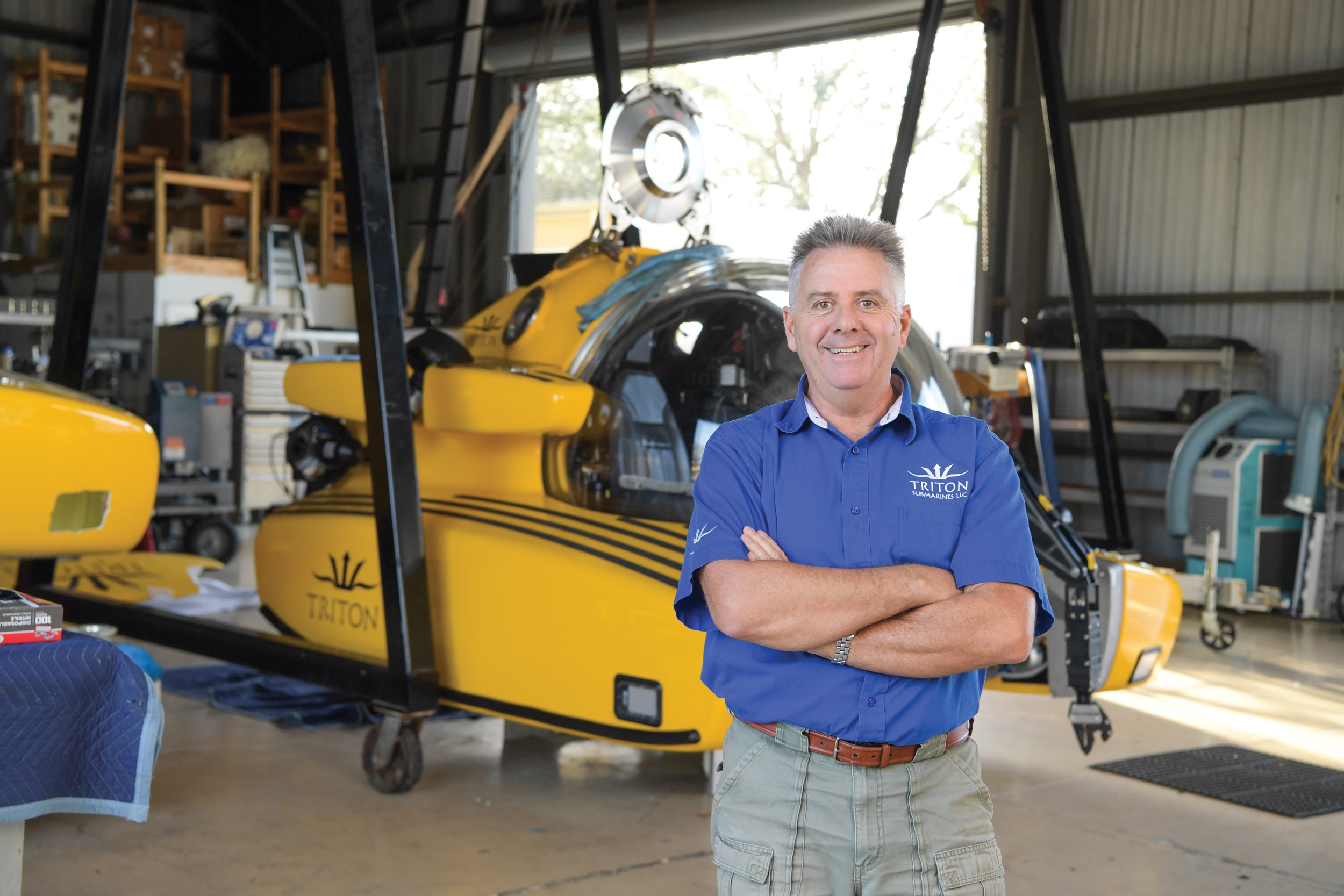
Triton Submarines was founded in 2007–08 by two men with a shared belief that private citizens, not just governments, should be able to reach the deep: Patrick Lahey, a seasoned submersible designer and pilot, and L. Bruce Jones, a veteran of the commercial and scientific sub industry. Their early office—which Lahey has described as “more passion than furniture”—would eventually become the seed of what is now the world’s most recognisable private submersible brand.
Lahey, now CEO, has emerged as one of the most respected figures in modern deep-ocean exploration. Much of the company’s culture radiates from his own convictions: that the ocean should be accessible, that engineering should never be rushed, and that “a submersible is only as good as the people who will have to trust it.”
Ownership and Influence
Triton remains a private company, though its circle of backers includes two well-known names: investor and philanthropist Ray Dalio, and filmmaker-explorer James Cameron. Dalio’s involvement has aligned Triton with philanthropic science and large-scale expeditions, while Cameron—no stranger to deep-sea engineering—has lent both credibility and scrutiny to the company’s work.
Together, the ownership structure has allowed Triton to remain independent enough to pursue difficult engineering challenges while stable enough to support multi-year, multi-ocean projects.
Core Expertise
Triton builds only one thing: manned submersibles.
Its range includes:
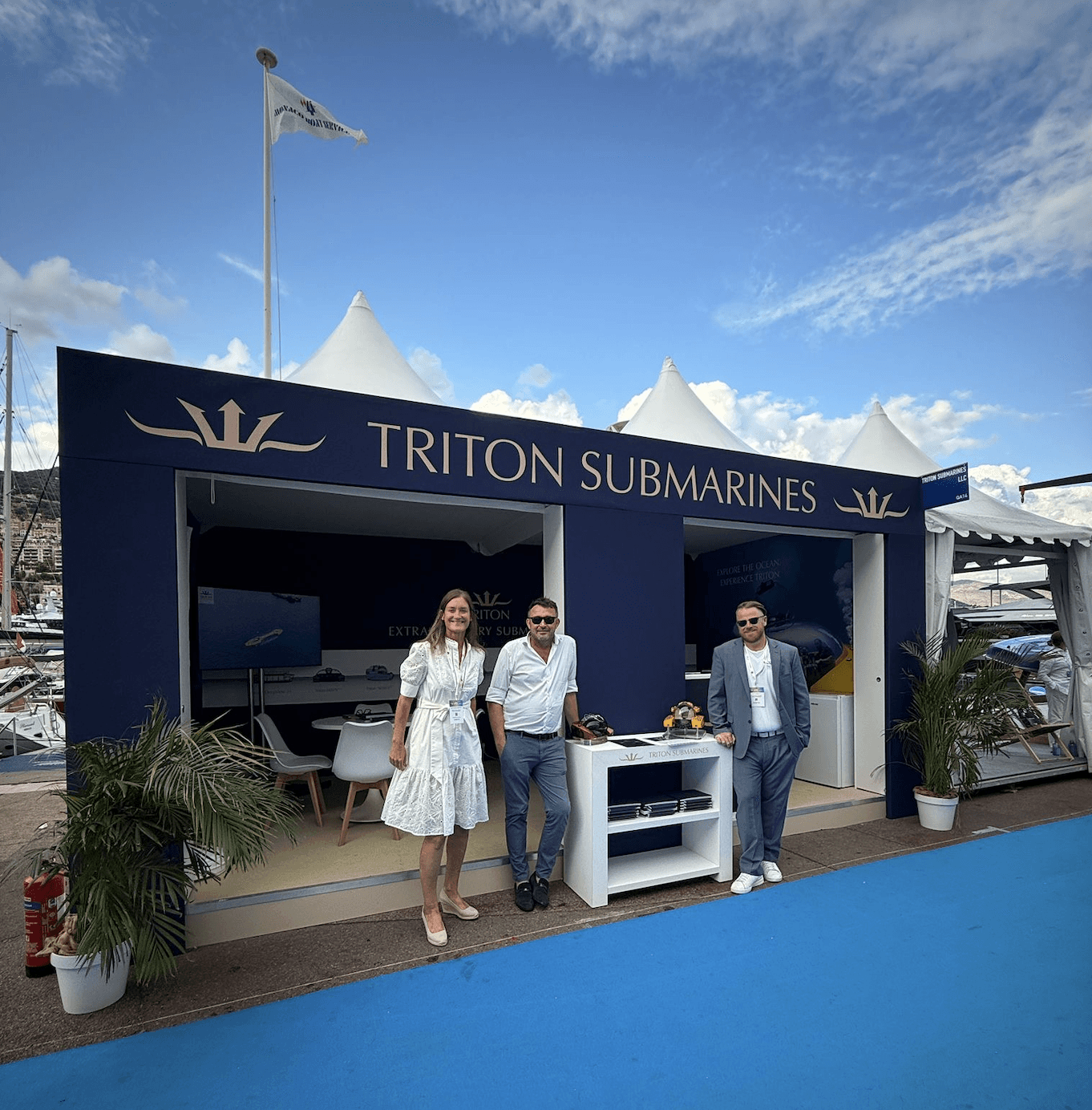
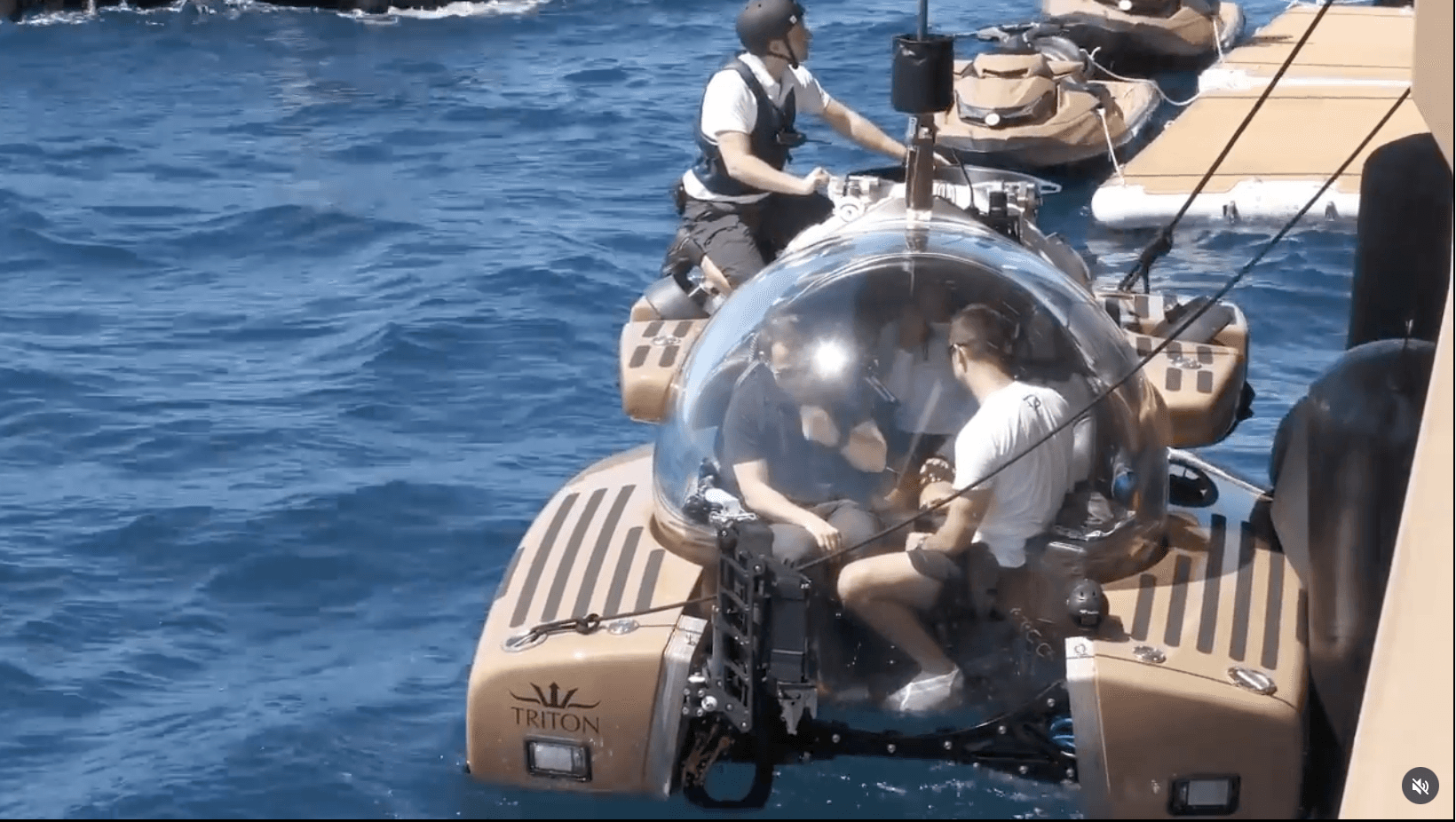
Private leisure subs designed to deploy from superyachts
Film and science submersibles capable of long, deep missions
Tourism-class craft for luxury cruise lines
Full-ocean-depth vessels designed for extreme exploration
Every submersible is bespoke, hand-built and supported by Triton’s operational, training and logistics teams long after delivery.
A Craft That Changed the Map
The defining achievement of Triton’s modern era arrived in the form of a small, white, spherical submersible designed to do something no commercial machine had done before: reach the deepest point in the ocean repeatedly, safely and in class-certified conditions.
The Triton 36000/2, known publicly as the “Limiting Factor,” would go on to complete dives to the Mariana Trench and the deepest points of all five oceans. In the process, it helped rewrite parts of the seafloor map, captured rare biological footage and demonstrated—almost quietly—that the extreme deep could be reached not once, but as part of routine operations.
Inside the industry, engineers and pilots speak about the craft with a kind of reverence. “It proved you didn’t need to gamble with the ocean,” one pilot said. “It made the abyss feel reachable.”
Design Philosophy: Clarity Over Drama
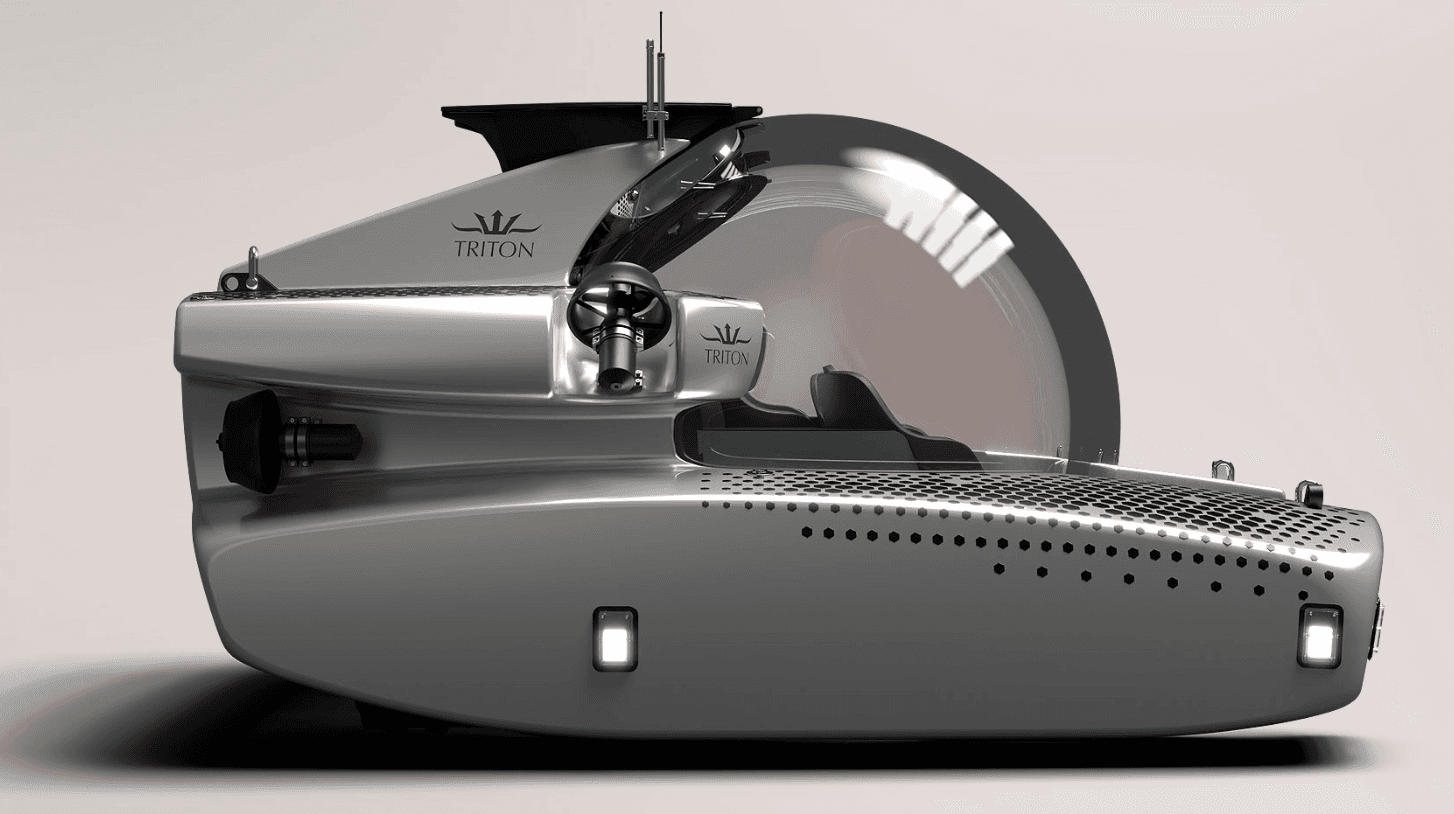
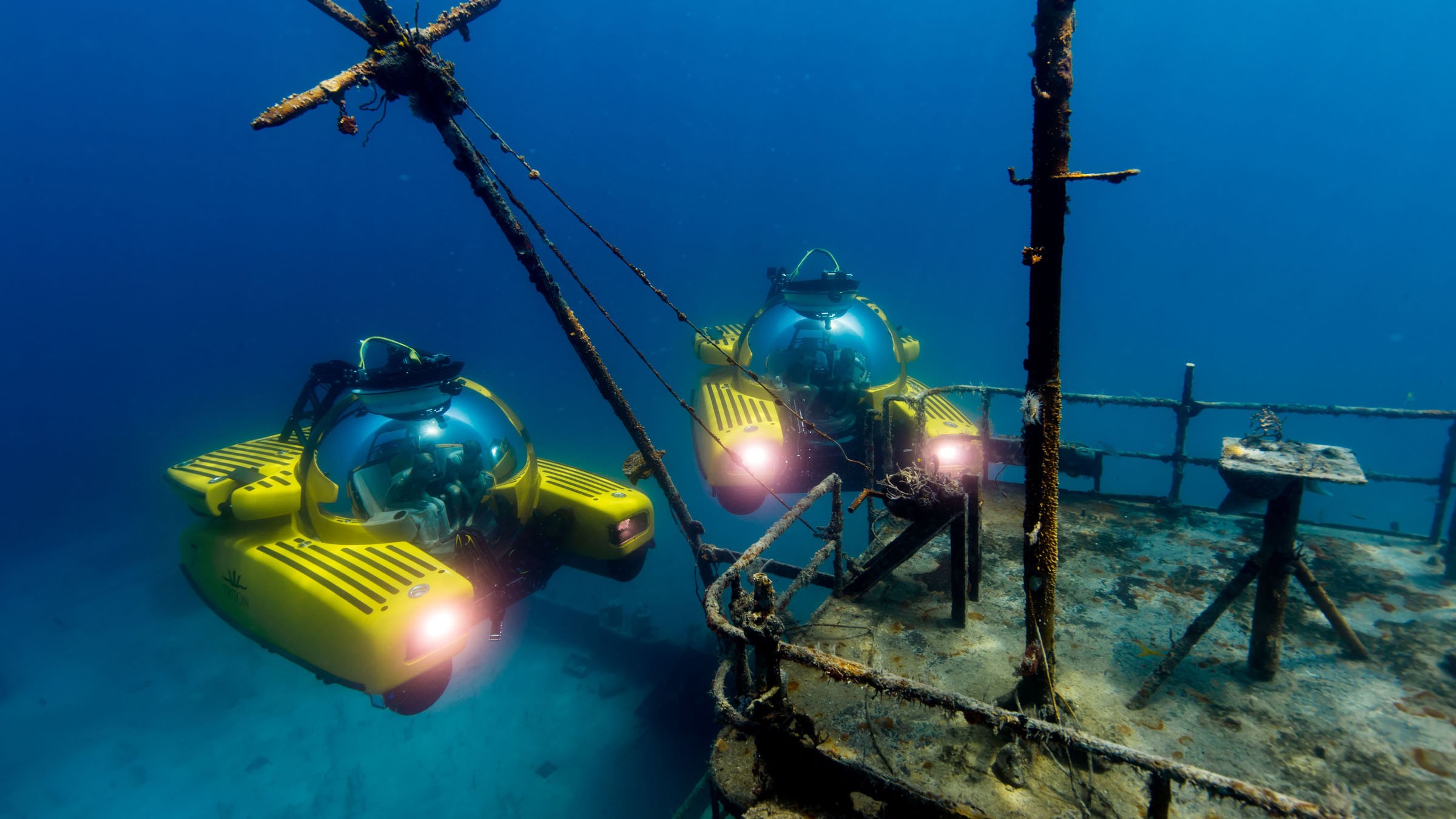
In an era where many luxury products lean toward spectacle, Triton’s design philosophy is almost understated. The company is known for its transparent acrylic pressure hulls, painstakingly polished into near-perfect spheres. Passengers sit inside a bubble that seems to disappear once submerged, offering a 360-degree, cinematic view of the underwater world.
Piloting is done through quiet electric thrusters. The cabins are softly lit. Controls are clean and uncluttered. The effect is less James Bond and more natural history museum, except that the museum is moving.
The focus, Lahey often says, is “to let people truly see.”
Who Buys a Submersible?
Triton’s clientele is a small but intriguing constellation:
superyacht owners who see exploration as the final frontier of luxury;
documentary filmmakers seeking access to environments that have never been filmed;
scientists and research institutions using private submersibles to close the gap in ocean data;
and, increasingly, expedition cruise lines that want to give guests an experience no balcony suite can rival.
Prices range broadly—typically from the mid-single-digit millions to tens of millions for deep-rated craft. Production is slow and meticulous, with only a few dozen subs delivered since the company was founded.
Press and Public Perception
Mainstream press has often described Triton with a mix of awe and cautious admiration.
One publication called Triton “the company that turned private submarines into actual exploration tools rather than billionaire novelties.”
Another noted that “if you’re going to the bottom of the ocean, you want to be in a Triton.”
A major newspaper described the brand as “the quiet custodian of a part of the planet most people will never see.”
The company’s reputation has strengthened further in recent years as public attention turned to safety in the submersible world. Where others stepped into controversy, Triton leaned on its certifications, third-party oversight and engineering transparency—principles that have kept it largely outside the spotlight.
Five Moments That Defined Triton
Founding of the company (2007–08)
Establishing one of the first private submersible businesses focused on class-approved, expedition-ready craft.Delivery of the Triton 36000/2 (“Limiting Factor”)
A milestone for ocean exploration; the first commercially certified full-ocean-depth sub able to dive repeatedly.Completion of the Five Deeps Expedition
Triton’s craft visited the deepest points of all five oceans, collecting data and footage that made global news.Aston Martin collaboration (“Project Neptune”)
A cultural moment that pushed submersibles into mainstream luxury awareness.Development of the Triton 4000/2 Abyssal Explorer
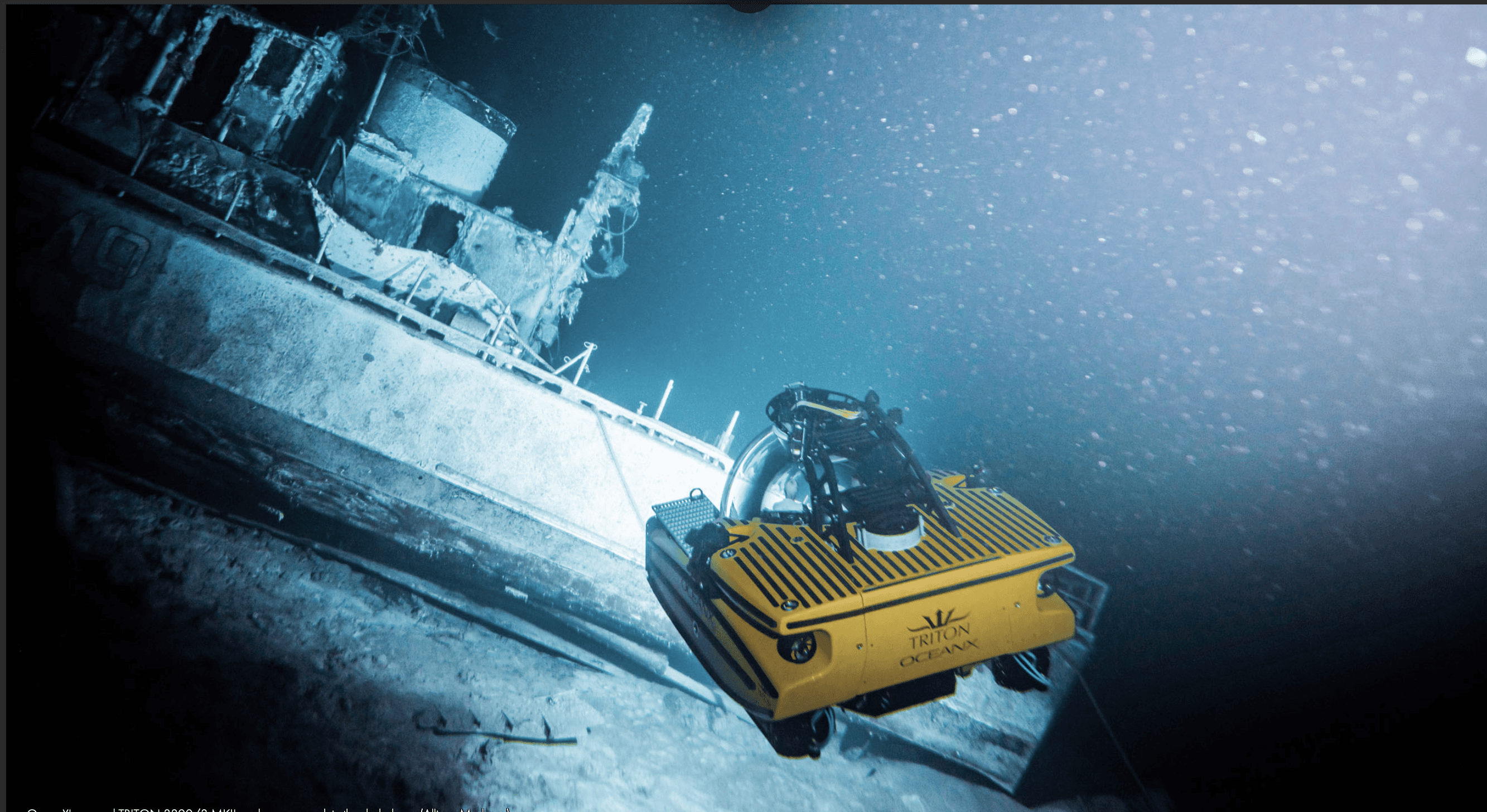
A new generation of deep-dive craft intended for research, documentary work and enquiries into historic wrecks.
The Road Ahead
Triton now finds itself in a rare position. The appetite for serious exploration—private, scientific and commercial—is growing. Expedition yachts are no longer outliers. Ultra-luxury travel is becoming more experience-driven. And the ocean itself is emerging as one of the last underexplored regions that can be reached without rockets.
The next decade may see submersibles move from the fringes of the superyacht world to something more commonplace: not a novelty, but a tool of understanding, a window into a planet in flux.
Triton, with its mix of engineering restraint and exploratory ambition, appears ready for that shift.
Contact & Socials
HQ: Sebastian, Florida, USA
European Office: Barcelona, Spain
Socials: @triton_submarines (Instagram, LinkedIn)