Leading Advice: Elevating Life Onboard
Written by Jim McGarth
Behind every polished deck and seamless itinerary are crew who work, laugh, and sometimes cry together.
Nov 24, 2025
How to improve life onboard for the crew…
Behind every polished deck and seamless itinerary are crew who work, laugh, and sometimes cry together. They are the ones who transform a yacht from a machine into an exclusive members-only world. Captains know this better than anyone.
Empathy at the Helm
When asked what he’d change with a magic wand, Brendan O’Shannassy says he’d add more empathy for crew. “They’re not machines. We take young, sometimes vulnerable people far from home without replacing their support networks. With a magic wand, I’d give crew stronger psychological safety and real career paths.”
Captain Kelly Gordon shares a moment that says it all: “One of my stews came back from seeing her family and was sad. We ended up crying together over coffee. That’s leadership too.”
78% of Captains believe empathy and patience are the most important traits for leaders at sea.
Training That Works
Having individual development plans helps crew understand how they can grow. Captain Craig Thurlbourn builds realistic timetables: “If crew express interest in an area, they’re supported. Set a clear path and goals—and everyone can work their way up.”
Rafael Cervantes, who manages 65 crew, says every day is “a puzzle to solve,” balancing last-minute changes with moving dozens of people across borders.
Several captains agree: new crew now join with more knowledge, more certificates, and better preparation. As Captain Paul Duncan puts it: “They’re savvy enough to be in online forums. They come in better prepared than they used to.”
Seven out of ten Captains tell new crew the same thing: never give up.
The Mentor’s Role
Mentorship runs deep. Captain Martin Shairp constantly promotes junior crew into leadership roles: “Giving them responsibility and respect helps them grow.”
Corey Adcock believes in “controlled steps, feedback, responsibility that grows.”
Captain Herb Magney recalls telling a young deckhand: “You’ve got all this potential. You may not see it, but I do.”
One in three captains credits a mentor or chief engineer as the most important influence in their career.
Empathy, however, doesn’t mean lowering standards. Captain Chris Walsh sees leadership as being clear and fair. Kelly Gordon agrees—balancing kindness with accountability is vital.
Generational shifts bring new challenges. As Rafael Cervantes notes, “Today’s crew value their personal lives more. That can be positive, but it changes the rhythm.” Captains are adapting.
“Work Hard, Learn Fast”
For Captain Corey Adcock, mentoring means structured progression: “Controlled steps, feedback, responsibility that grows.”
Below deck, motivational mottos multiply. One captain has “Endure and Overcome” painted above the mess. Another shares this favourite reminder: “Fail = First Attempt at Learning.”
Captain Kelly Gordon keeps it simple: “It costs nothing to be happy,” she tells her crew, especially when days get long.
Not all wisdom is serious—the little things matter. Keeping spirits high is just as important as ticking checklists.
Captain Craig Thurlbourn swears by good food as part of morale. Captain Chris Walsh reminds his team: “The job is too big to sweat the small stuff.”
Saying Yes to Opportunities
Sometimes the simplest advice is the most powerful. Captain Kelly Gordon reminds her stews:
“Say yes to opportunities, even when they feel uncomfortable.”
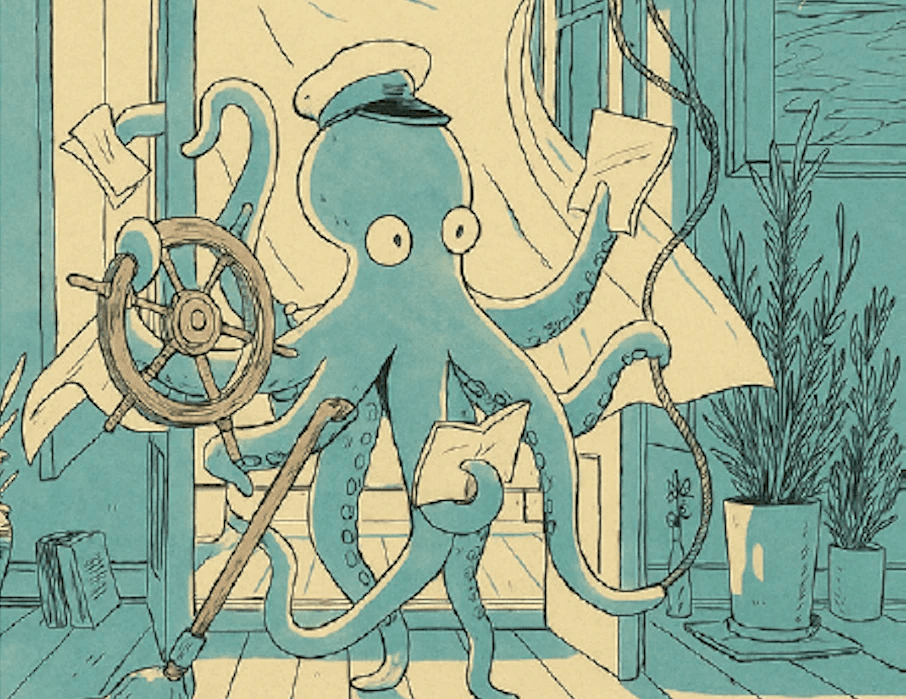
And Captain Ferdi Hayman captures the spirit of yachting perfectly: it’s “a 20-armed octopus—chaotic, but endlessly fascinating.”